It’s been about 2 months now since the start of the semester and my CSL placement with Let’s Talk Science (LTS), and believe me when I say that during this time I’ve been able to learn a lot. Perhaps one of the most interesting parts of this placement is the external life lessons I’ve learned in the most unexpected of settings. This post is the story of how putting a teaspoon of baking powder in a container of water in front of a room of 5th graders impacted my professional perspectives. More specifically, I’ve been able to see parallels between my volunteering in science outreach and career paths I may take.
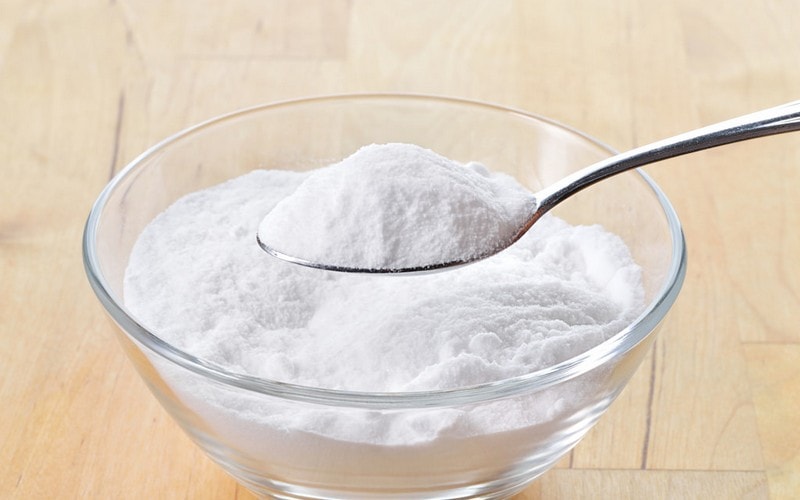

“The story of how putting a teaspoon of baking powder in a container of water in front of a room of 5th graders impacted my professional perspectives”
– Matthew Robrigado (2020) Because I find stock photos incredibly funny
Let’s establish the setting of this story; since my first post from the start of my CSL placement I’ve done TONS of activity prep work, done much more outreach, and also visited the Bruyere clinic where I saw a doctor, phlebotomist, and pharmacist.
Let’s start with my recent visit to Centre de Médecine Familiale Bruyère. Firstly, my future career aspiration is to go to medical school in Canada and become a licensed physician. Through high school I had always looked up to health professionals and painted a mental picture of them as incredibly competent, intelligent, and innovators within the scientific community. I also held onto the misconception that if I ever become a doctor I would have learned somewhere along the way how to manage my responsibilities easily and live life at a much more relaxed pace than what I’m experiencing as a student. Now for my visit to the clinic, I had to meet with several health professionals which were all people that I could see myself as in the future. As I was making my rounds in the centre and talked to different people one thing that I caught onto was that nearly everyone I had to talk to had to explain something to me. Like when my doctor was writing my prescription they had to inform me of what we needed to keep an eye on through blood tests, and then when I picked up the prescription my pharmacist had to describe to me all the possible side effects I could expect from my medication. Not to brag, but since I’ve started university and taken classes on anatomy, physiology, and biopharmaceuticals I started to become able to piece together what health professionals are really saying to me. What I realized though was that all this time, health professionals have had to become extremely well versed in speaking about complex scientific phenomena in a simple and easy to comprehend manner. Sure doctors can still be like my high school image and be competent, intelligent, and innovative; but when it comes to actually doing their job and interacting with patients I came to realize that a very large portion of the job everyday is conveying their breadth of knowledge to regular people who really don’t know any better. In a sense health professionals and likely so many others within the scientific community have to have some ability in teaching, because being knowledgeable isn’t enough when your profession requires you to be able to convey your knowledge.
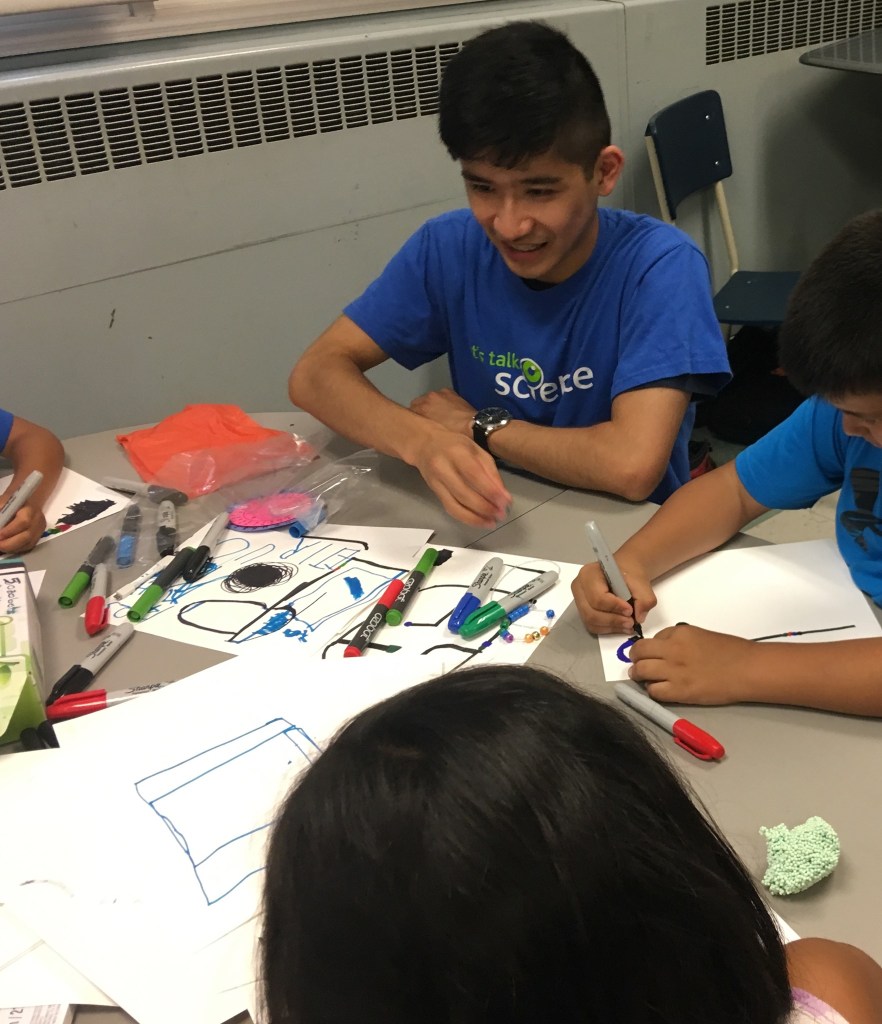
So what does this long story of my visit to the doctor have to do with my placement and a teaspoon of baking powder? Well, when I started to notice that health professionals and scientists in general had to learn how to communicate what they know on top of just knowing it, I thought about how that applies to my experience doing science outreach in LTS. I mostly do outreach with elementary school kids and essentially teach things that I’ve been learning and building upon in school for many years. Despite the fact that I may have learned the science I’m explaining to the kids a long time ago, sometimes I find that I have trouble explaining what I’m supposed to. For instance, when I’m delivering one of my favourite activities called “Chemical vs. Physical” there is a part of the activity where I have the kids put a teaspoon of baking soda into a cup of water and they see that the reaction between the two makes gas bubbles. Next I put another teaspoon of baking powder into a small film canister of water, close the lid, and shake up the canister. Eventually the gas that’s produced pops the lid off dramatically, often the lid hits the ceiling and there’s some water that splashes; the kids absolutely love this activity. But, before I put any baking soda in the water I try to get the kids to tell me what they think is going to happen. In my head it’s so obvious to me that since they already saw that the reaction makes gas, if I put a lid on the reaction there will be a build up of pressure which pops the lid off. Of course now I’ve seen that in reality kids need a little bit more help with this explanation and sometimes I need to explain what it means for gas to create pressure or how a confined space contributes to this. In a sense, you could see kids as patients which ask their doctor everything. If a patient wanted to ask their doctor the meaning behind every treatment they recommend, it’s the doctor’s job to be able to explain to their patient why they’ve chosen a certain treatment in a manner that they will understand. This degree of communication skills is not something that I anticipated would be such an integral part of being a physician, and I’ve been able to see through my science outreach that this is something just as important to my education in science as increasing my breadth of knowledge.
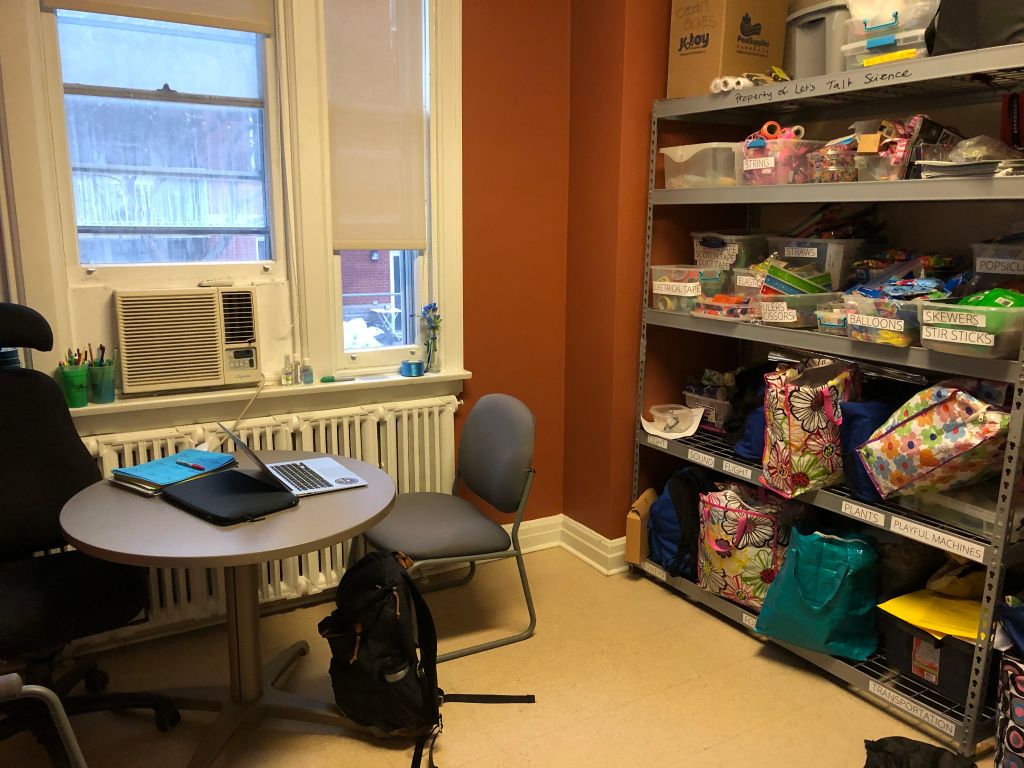
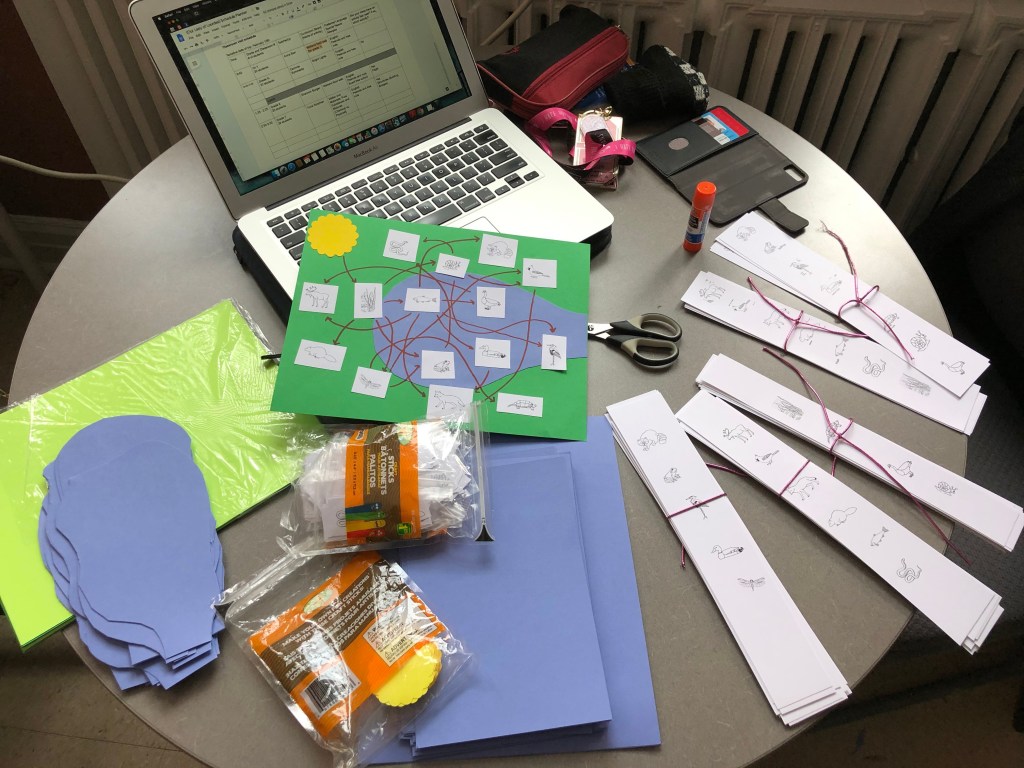
Now I just want to dive a little deeper into my “TONS” of prep work. As I mentioned in my first post, before my placement I was already the rural coordinator for LTS at uOttawa and now with this placement I do LTS outreach volunteering on top of my work. Since my last post we had the February reading week, and that week may have been the hardest I’ve ever worked for LTS since starting my position. There were rural full day trips nearly every day of the reading week which I had to coordinate from the ground up and prepare all the activities for, not to mention that I was also volunteering on one of them. I can’t do justice to the amount of effort that I put into everything related to LTS over the past month in text. My point is that I already knew working for and volunteering with LTS would help me develop professional skills like organization, time management, and effective communication, but what I didn’t anticipate was that I would also gain so much grit and resilience. “Putting a teaspoon of baking powder in a container of water” doesn’t sound like a science outreach activity that could become overwhelming, but when you have to prepare this along with about 25 other activities for a total of about 350 to 400 kids in the midst of Ontario Teacher Strikes, not to mention finding volunteers and training all of them over just a few days… things can easily get overwhelming. Needless to say, I was working extremely hard. What I learned though from this past month of tireless and exhausting work and volunteering with LTS is probably a lesson I’ll keep throughout my educational and professional career.
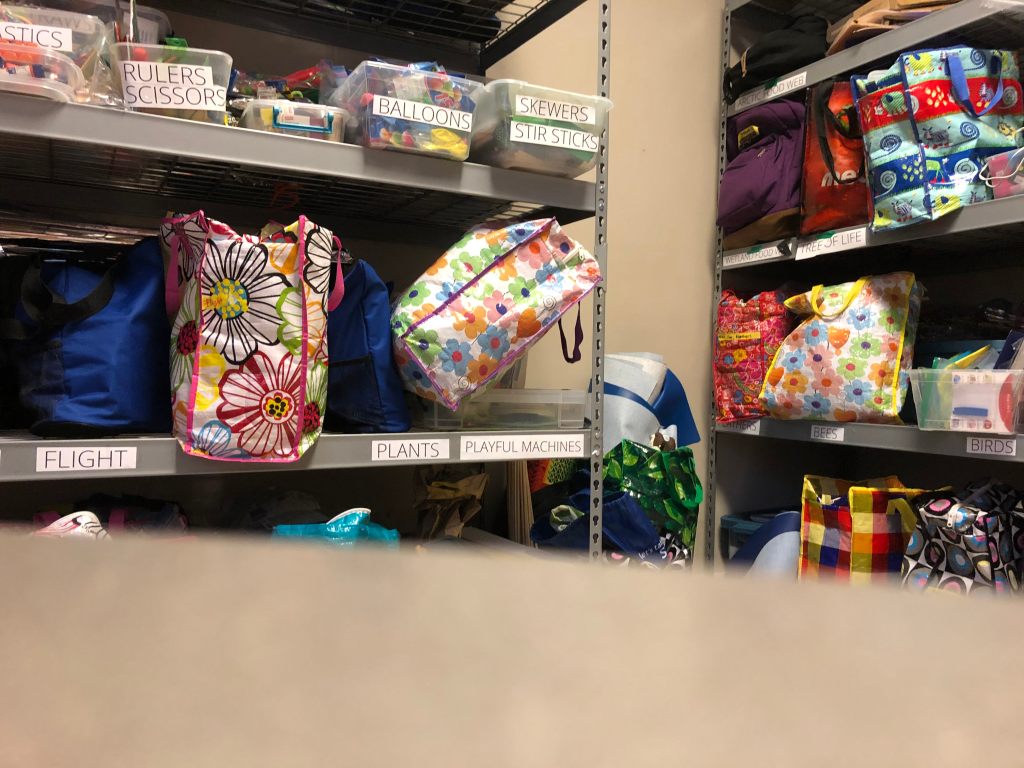
When times get tough and stress piles into a mountain I saw firsthand that the solution is not always just to “white-knuckle down” and become a workhorse with no more human needs of food and rest. When I first just tried to do this I found myself at a pretty extreme low of feeling overwhelmed and exhausted to the point of hopelessness. In the past I would solely rely on my ability to work hard for a long time to fulfill my responsibilities, but only recently have I seen that as life gets increasingly harder and as I get increasingly more busy, the possibility of burnout is also increasingly more real. I knew that this would absolutely not be sustainable to get through reading week, much less my whole placement and certainly not a work environment as demanding as that of a physician if that is truly my career aspiration. I saw that in order to sustain myself I had to learn tangible strategies to deal with stress such as prioritizing time for self-care even in a packed schedule, and turning to trusted friends and even professionals to talk to and diffuse my internal feelings and isolation of working so hard. I saw that I’ve always been a good student and even a good employee until now because I’ve built good practical skills in the past like responsibility, dedication to my work ethic, and multitasking, but the only way I’ll be able to tackle the onslaught of challenges within professional adult world is to develop effective stress management and self-care skills. After this past month which was quite possibly one of the hardest times of my life, I saw that in order for me to be a competent employee able to survive life after university I need to continue developing the skills it takes to simply take care of myself.
So overall, it’s very safe to say that this past month of my CSL placement has taught me a lot. Along with further developing my skills and competencies in time management, public speaking, and teamwork, I’ve begun to really start learning how to prioritize my well-being at the same time as all my school and work obligations. My goal is to see myself continue to build on what I’ve learned through this placement and carry it with me through my development as a professional after graduating.
 My CSL Placement with Let's Talk Science