Hello! My name is Matthew Robrigado and I’m in my second year of Biomedical Sciences. Welcome to my blog where I will document my experience as a CSL volunteer with Let’s Talk Science (LTS). This first post describes what my placement entails as well as how my personal and learning goals can be fulfilled within this placement (as the homework prompts direct). But I don’t want to only tell you what the prompts ask me to, because I’m quite sure that the story behind why I’m doing this CSL in particular is rather unique and I don’t want you to be bored reading this blog. So hopefully I have your attention, so please sit back and relax and let me fill you in on a little reflection of my time with LTS so far.
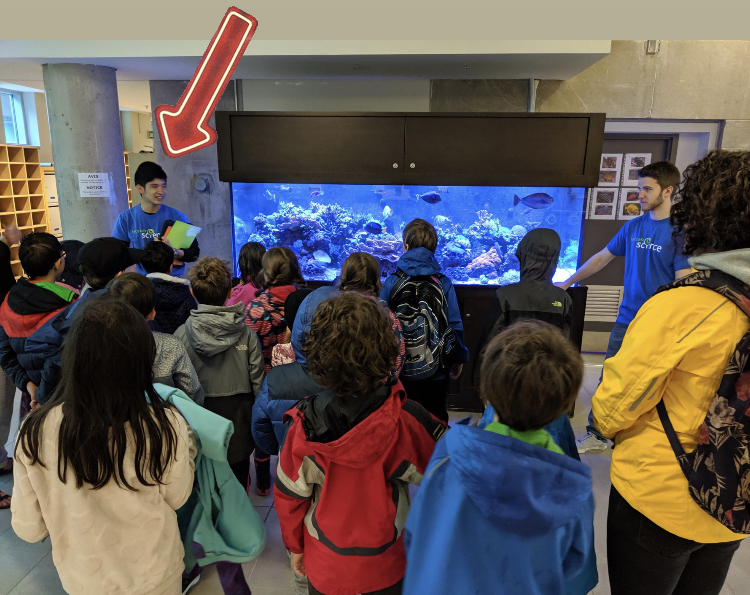
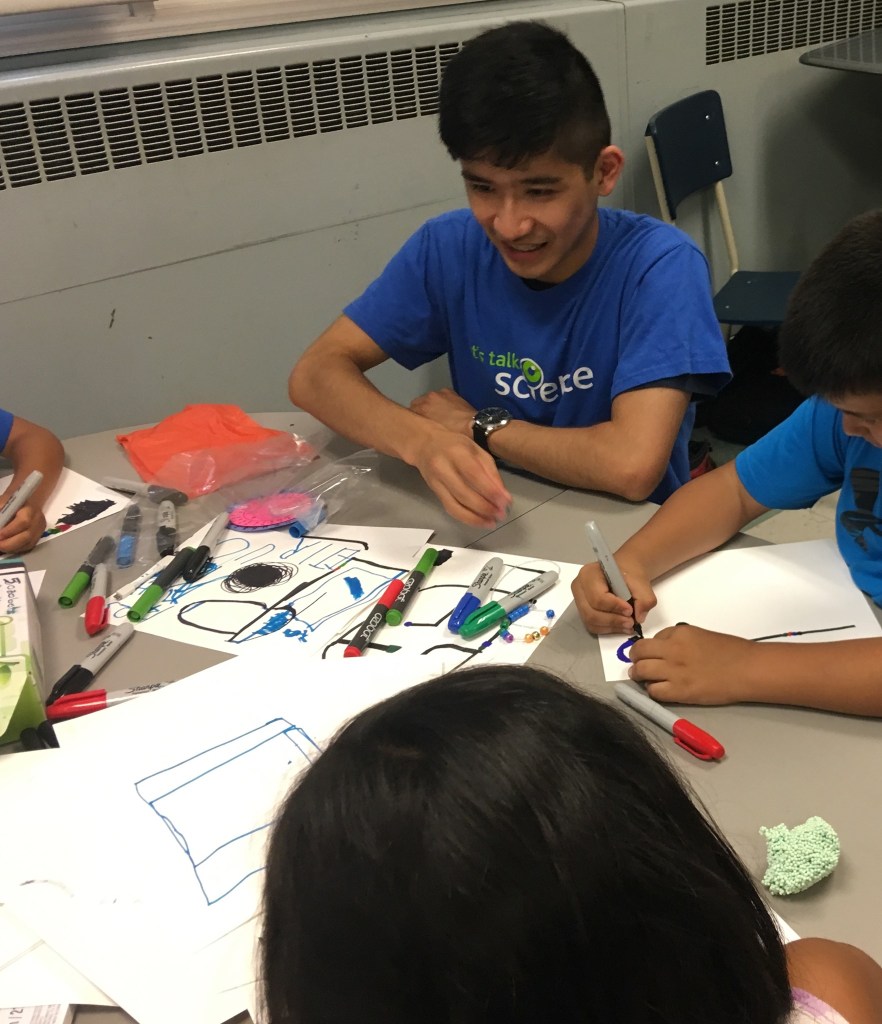
So first, what do I actually do in this placement? The formal description of the placement as you may already know is to deliver hands-on science activities with youth, with the aim of increasing science literacy in the general public. Given my personal experience so far in the placement, I would change the description to something along the lines of: “Help kids and youth ignite their curiosity of science, and see that scientific fields of study are more approachable than they may have originally thought by delivering a variety of engaging activities.” This past month with my first few activities I’ve been able to see that all it takes to get youth thinking scientifically is to simply give them a reason to be engaged.
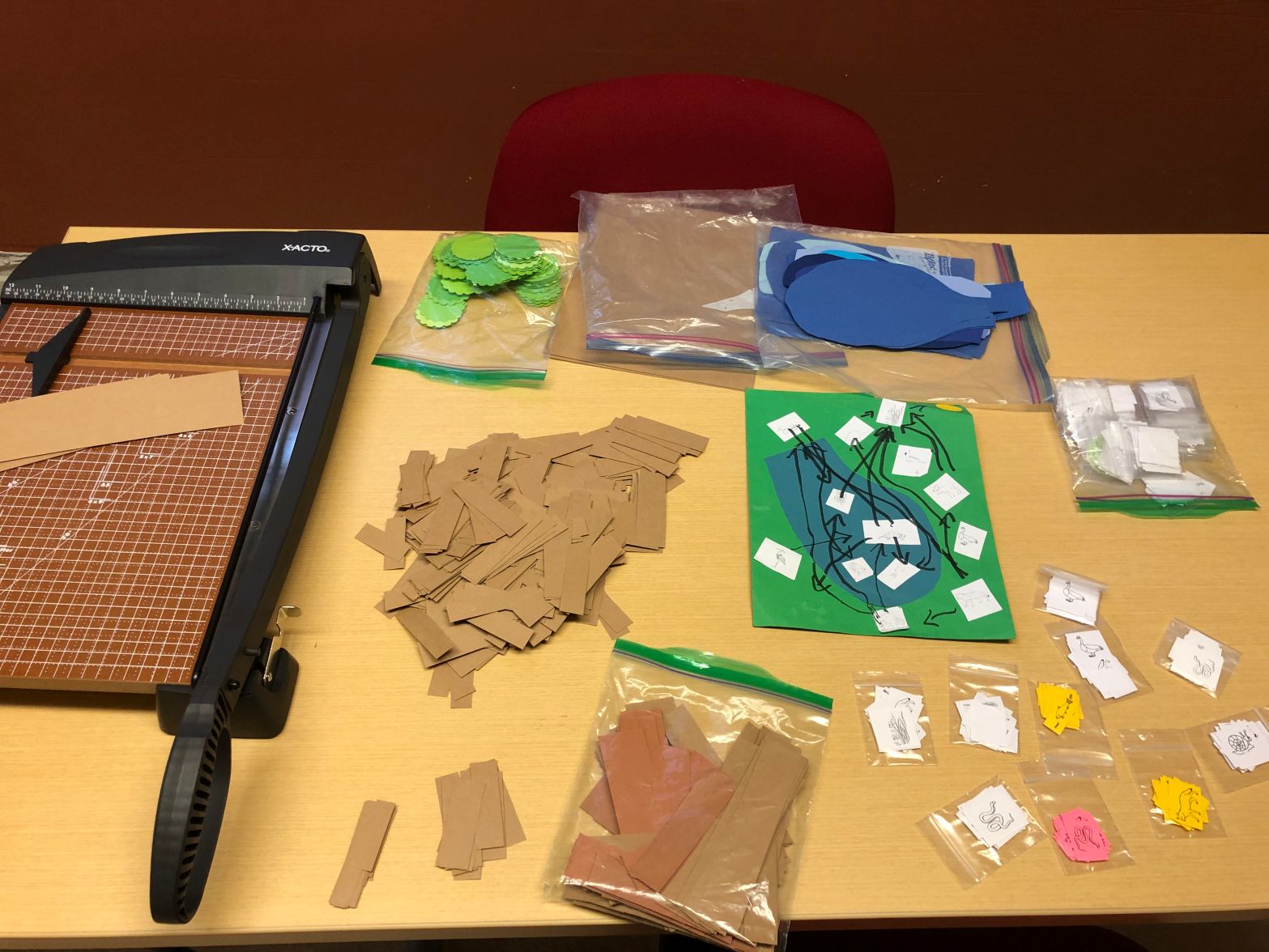
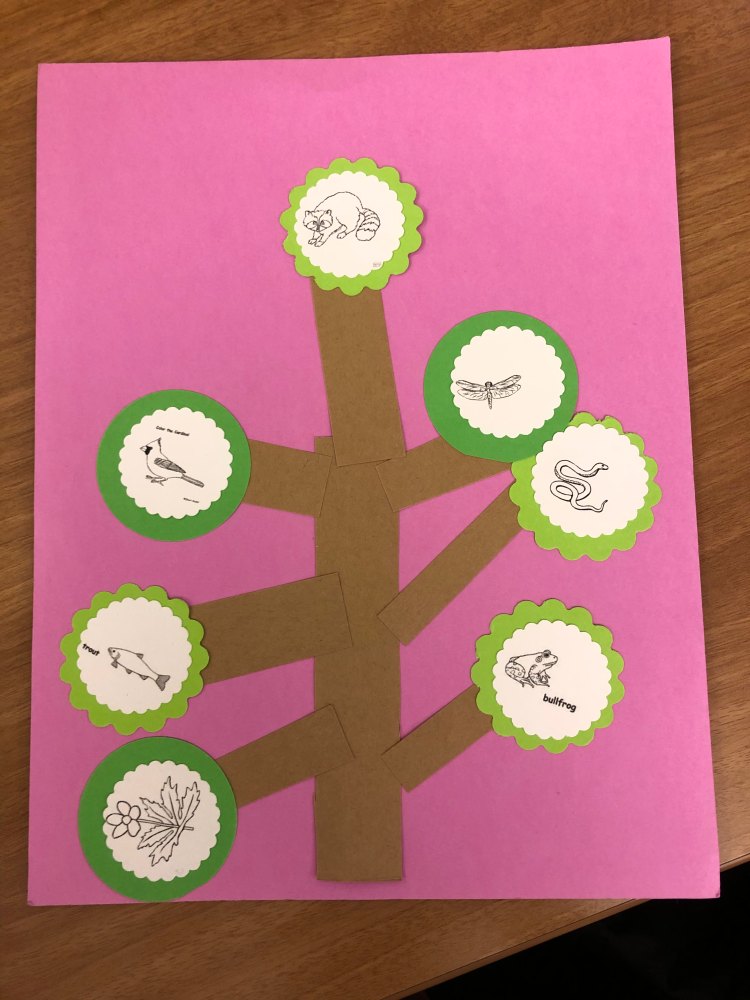
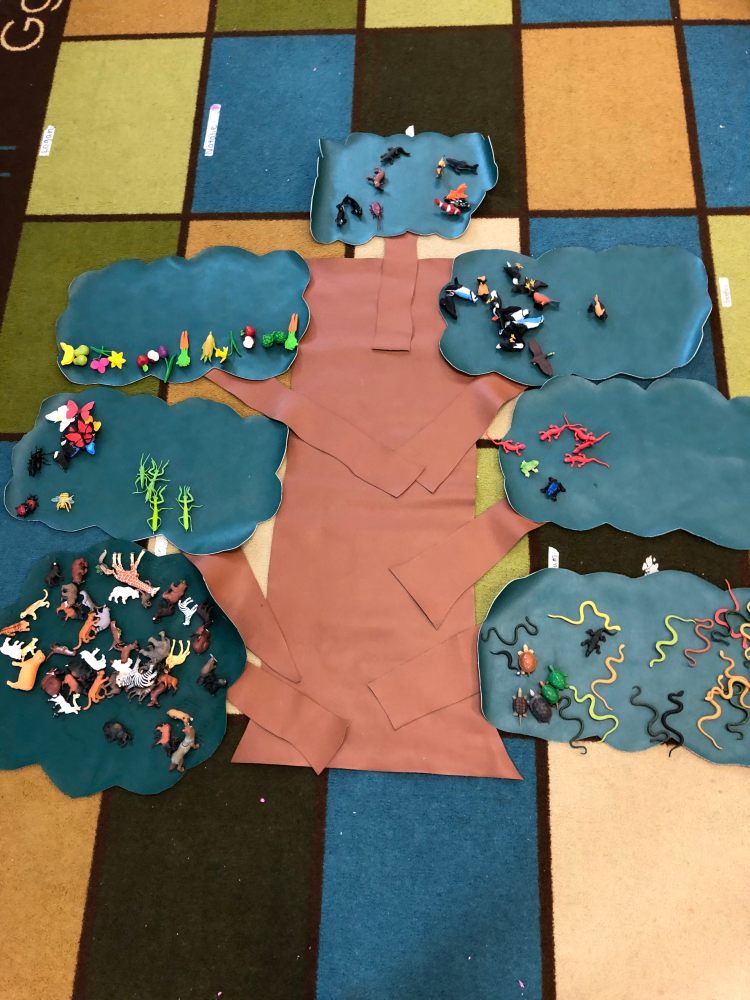
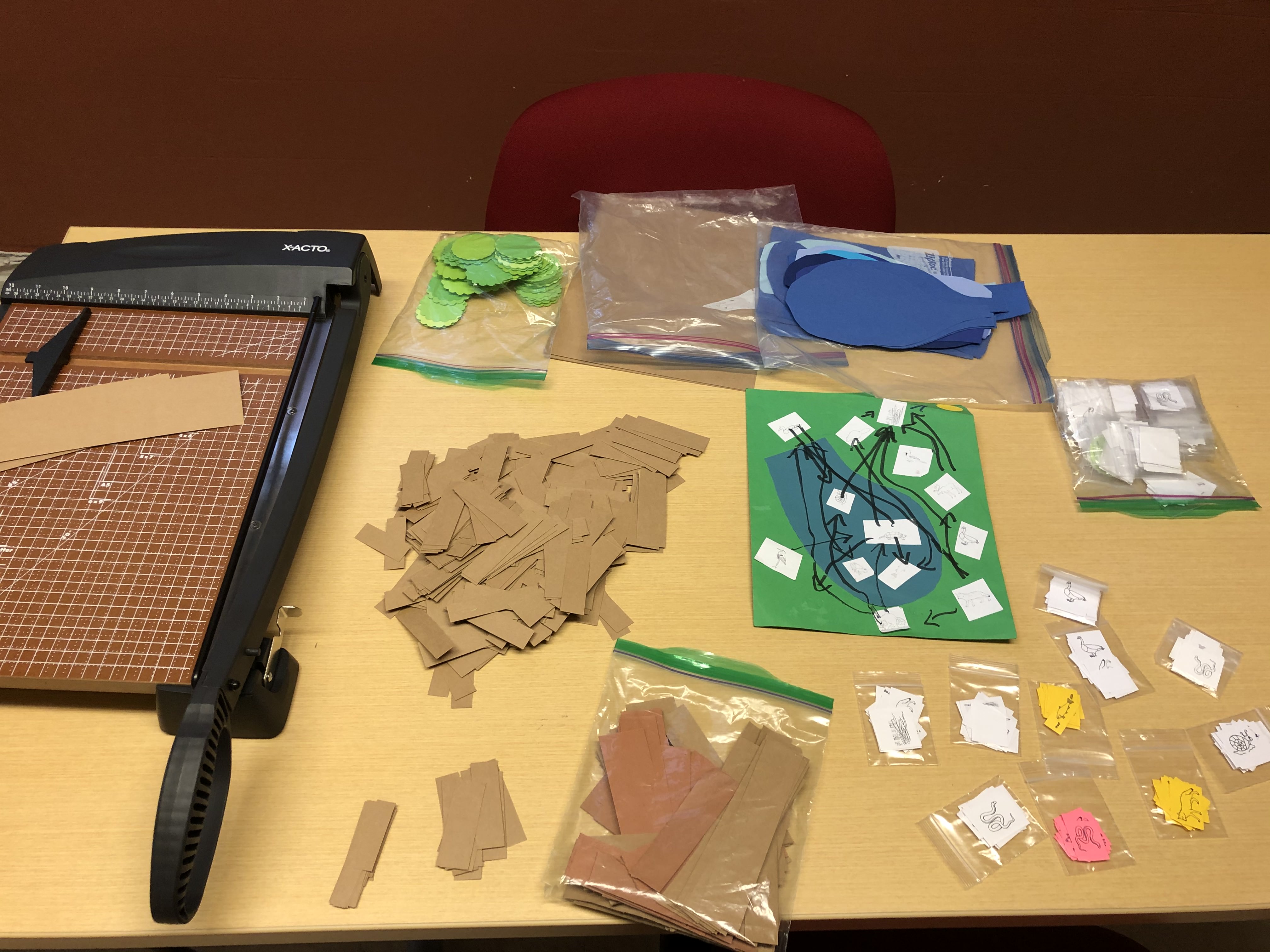
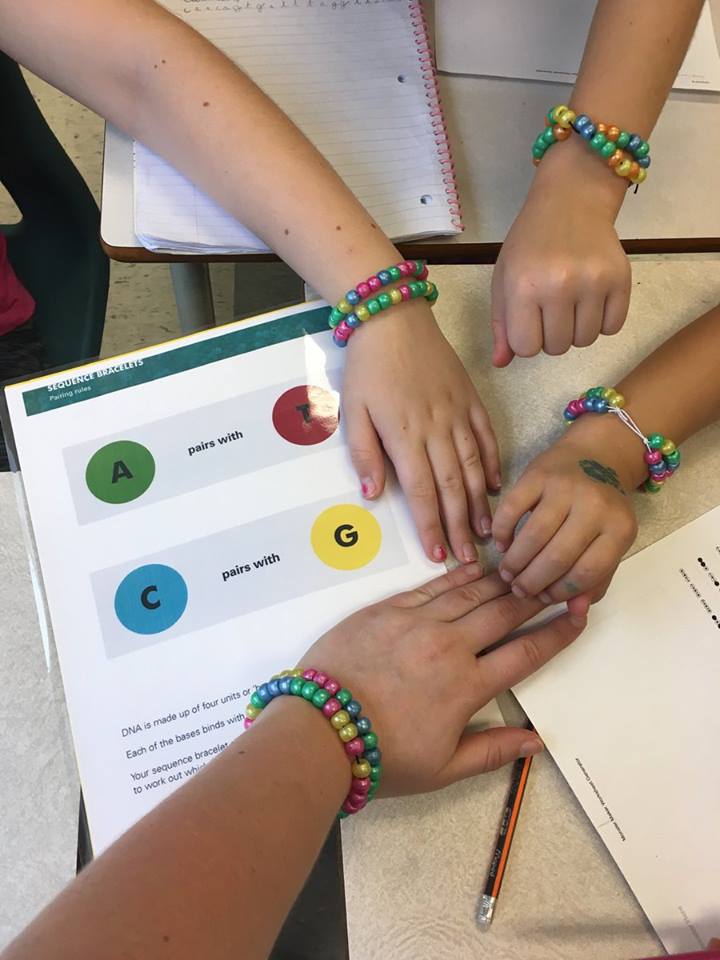
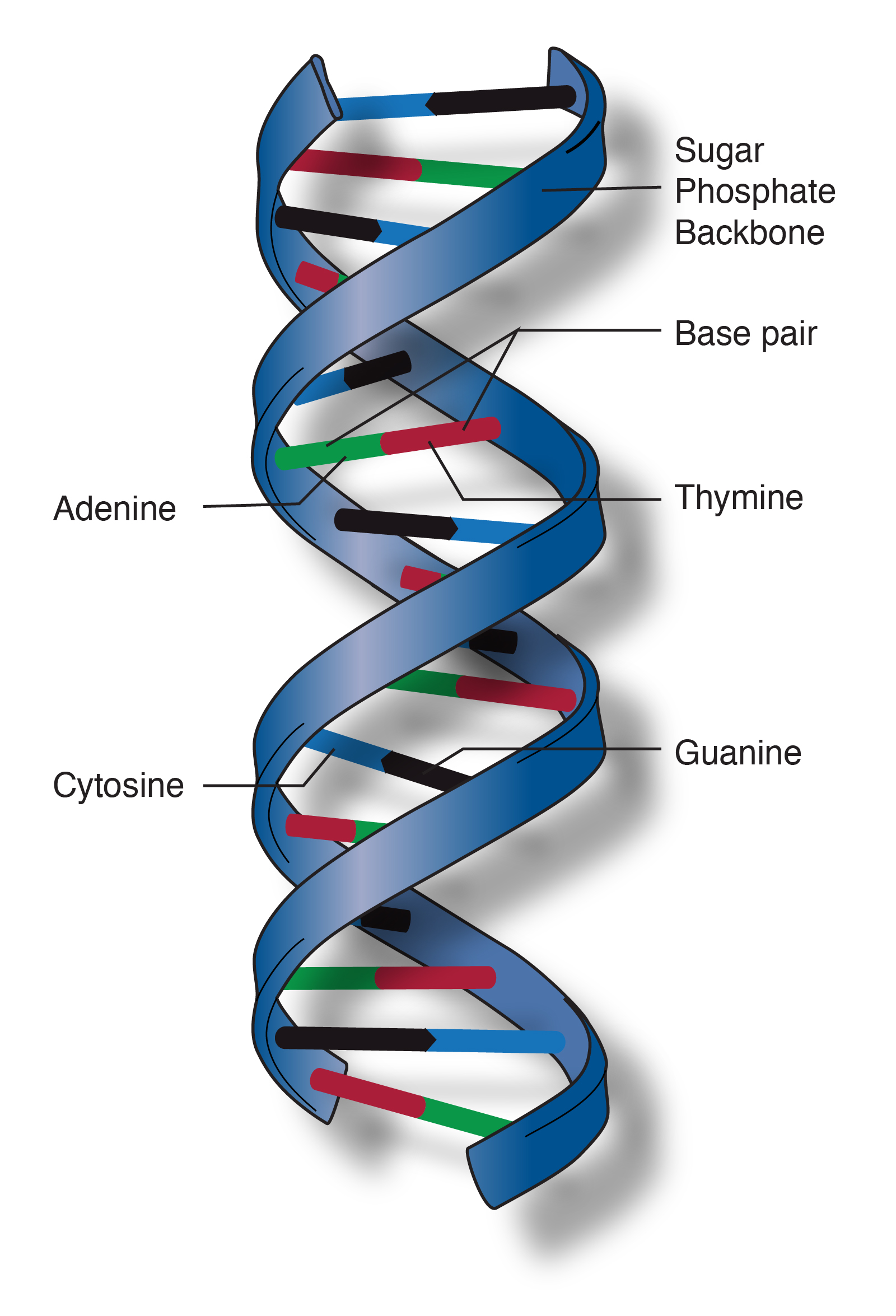
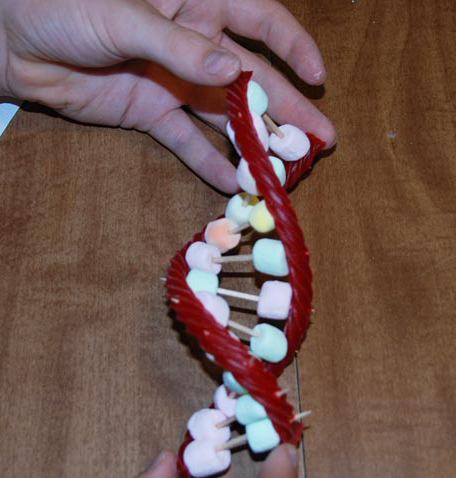
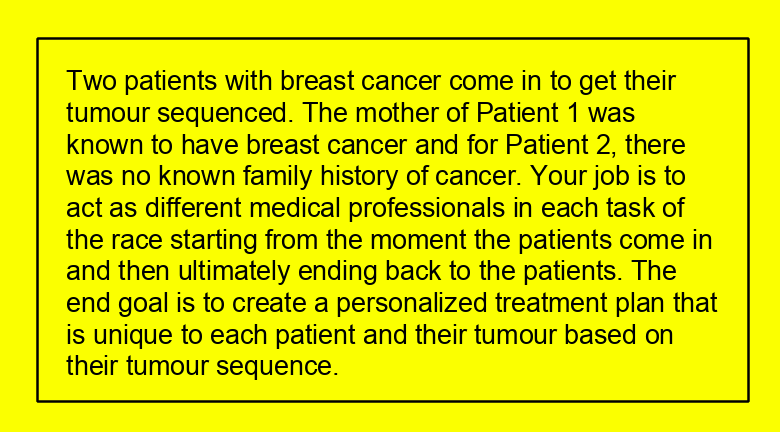
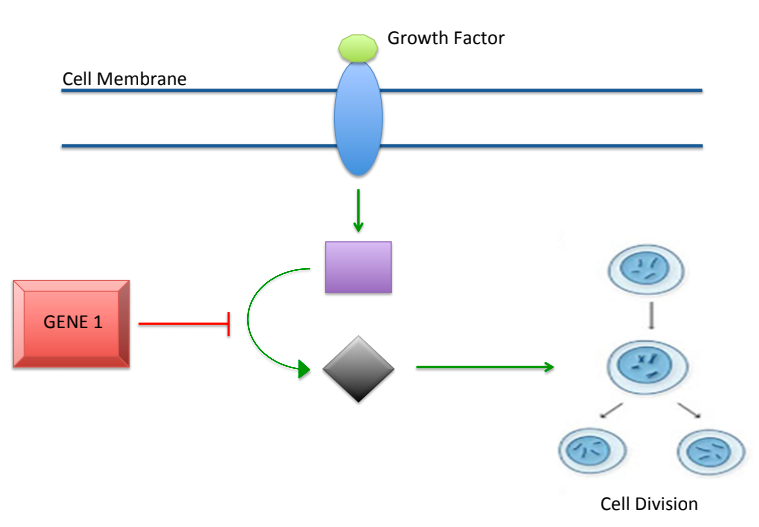
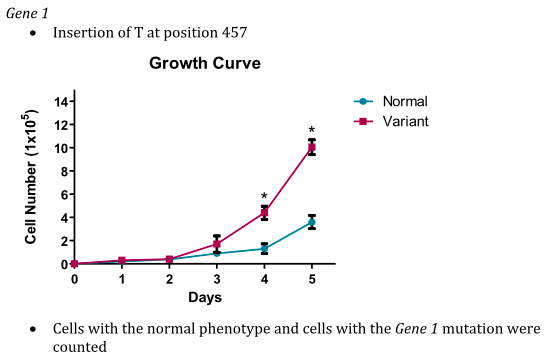
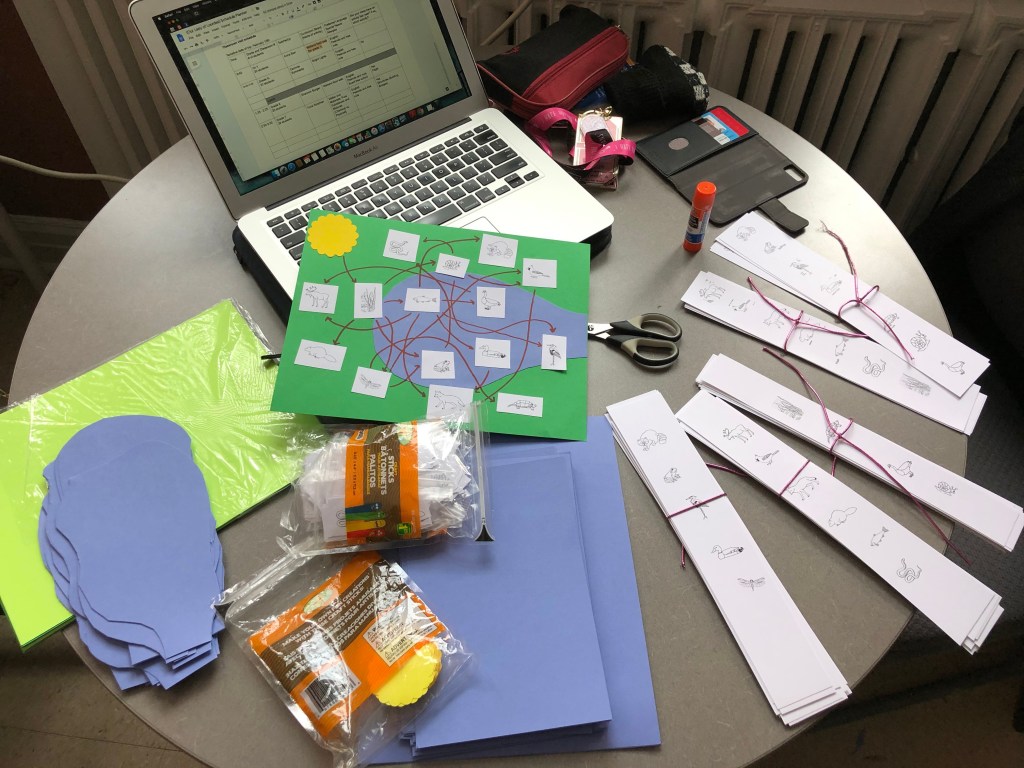
This brings me to my primary personal goal for this placement, which is to improve my ability to communicate about the science that I’m getting my degree in. I’ve never thought of myself as an especially great writer or speaker especially when it comes to presenting something such as research findings in a project or leading a discussion, but one thing that this placement absolutely demands is effective communication. Take for example my first activity that I did in this placement, which was a high school activity called “The Amazing Race” where teams of students race each other through various challenges like identifying a mutation within a strand of DNA in order to “reach this episode’s Pit Stop” which is to propose treatment plans for various patients. Now at this point I had already done quite a few LTS activities in the past but very few with high schoolers. One unexpected challenge of running LTS activities (which is especially apparent with high schoolers) is that taking about science with kids can be very easily leave them completely clueless about what the activity even is or absolutely and undeniably bored. During that first activity I would act as the judge and determine whether or not teams would be able to “get their next clue” and a few times I would have students present their finding to me but also say something like “I don’t know, I’m not even taking biology.” Now this isn’t to say that this activity went absolutely awful, the competitive aspect of the activity kept the students engaged and everyone seemed to enjoy themselves. This activity in particular showed me that I always have room to improve my communication about science. I find this skill invaluable moving forward professionally, because many people get degrees in science but not necessarily all those people are able to explain their knowledge. Having a developed ability to communicate in a scientific context would therefore give me a competitive advantage when it comes to further professional opportunities. Along with this, I believe that this aspect of the placement will help me learn my own course material better because if I can explain scientific topics in ways that are comprehensible to youth who otherwise aren’t familiar with much science, it would prove to myself that I have developed a thorough enough expertise of what topic I’m presenting. An example of this on the other end of the spectrum is an activity that I’ve done a lot called “Tree of Life” where kindergarteners up to second graders learn about the different kingdoms of living things. I’ve done this activity many times now and I’ve become very comfortable talking about the topic of biodiversity with classes of young kids. Now when I do this activity I’m confident that I can get the kids engaged in learning but I’m also confident in my understanding of the concepts of biodiversity, and I hope to develop this sense with more scientific topics as I do more activities.
The vision of fostering scientific curiosity in youth who may not even be interested in science at first is something that gives me a very positive view of LTS as a whole. Through my time with LTS I’ve continuously developed the attitude that instilling a sense of inquiry and wonder in discovery within youth is something of extreme value. I have actually been an employee of LTS in Ottawa since the summer of 2019, first with the role of delivering presentations with classes full time and now as a coordinator overseeing activities in rural communities outside of Ottawa. Honestly the jobs have been very tough given that I’m also a full time student, but a large reason as to why I’ve stayed on as an employee and tried hard to get this CSL placement is that I truly believe that the work being done with LTS is important. What I mean here is purely exemplified the fact that there are a visible amount of people who are “Flat-Earthers” or “Anti-Vaxxers” and to me, the best way to prevent the spread of harmful “conspiracies” such as this is to properly educate people young. Over my time with LTS I’ve grown to value the experience of the youth more and more, even though I originally just wanted a good volunteer opportunity, or a good job, or even a way to get out of the genetics lab. Sure any job or volunteer placement could help me develop my time-management, initiative, and organization, but my positions with LTS also helped me develop my value of community growth and engagement, and I’m happy to say that I’m doing work that is ultimately in the effort of providing kids and youth with an enriching experience with science. Overall I see my experience with this CSL placement as a “triple win” because I’m able to at the same time fulfill the requirements of my job and volunteer placement, steadily improve my ability to communicate about science, and do work that I find significant to the community.




 My CSL Placement with Let's Talk Science